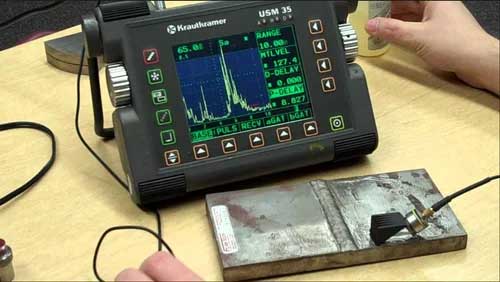
When it comes to inspecting critical structures, seeing beneath the surface is essential. That’s where Shear Wave Ultrasonic Testing (SWUT) plays a vital role. As a specialized form of Non-Destructive Testing (NDT), shear wave inspection allows engineers and inspectors to evaluate welds and structural components without causing damage—delivering accurate results where they matter most.
At Challenge Testing, shear wave testing is one of the advanced NDT methods we use to help clients maintain safety, quality, and compliance across a wide range of industries.
What Is Shear Wave Ultrasonic Testing?
Shear wave testing uses angled ultrasonic sound waves that travel through a material to detect internal flaws that may not be visible on the surface. Unlike straight-beam ultrasonic testing (UTT), which sends sound waves directly into the material, shear wave testing introduces the sound at an angle—making it ideal for inspecting welds, joints, and some complex geometries.
This method is particularly effective for detecting:
- Lack of fusion
- Cracks
- Porosity
- Slag inclusions
- Incomplete penetration in welds
- Undercut
- Concavity
Why Shear Wave Testing Matters
Shear wave testing provides critical insight into the integrity of structural components, helping prevent failures before they occur. It is commonly used when visual inspection alone isn’t enough and when radiography may not be practical.
Key benefits include:
- Non-destructive evaluation with no damage to the material
- High accuracy in identifying weld defects
- Immediate results, allowing for faster decision-making
- No radiation exposure, making it safer for crews and job sites
For projects operating under tight schedules or in active facilities, shear wave testing offers a reliable and efficient inspection solution.
Common Applications
Shear wave ultrasonic testing is widely used across industries, including:
- Structural steel and beam connections
- Pipelines and pressure vessels
- Fabrication shops
- Shipbuilding and marine structures
- Industrial facilities and power plants
At Challenge Testing, we frequently perform shear wave inspections on structural connections, welds, and load-bearing components, ensuring they meet design specifications and applicable codes.
Shear Wave vs. Other NDT Methods
While methods like radiographic testing (RT) and magnetic particle testing (MT) each have their place, shear wave UT offers unique advantages:
- It can detect planar defects that may be missed by other methods
- It allows inspectors to size and locate flaws precisely
Choosing the right inspection method depends on the material, geometry, and project requirements—something our experienced NDT team helps evaluate for every job.
Our Expertise at Challenge Testing
Our certified NDT technicians bring decades of experience to every inspection. Using calibrated equipment and industry-approved procedures, we deliver shear wave testing that meets or exceeds applicable standards, including AWS and project-specific requirements.
From fabrication shops to active construction sites, our shear wave inspections help ensure structural integrity, safety, and long-term performance.
Why It Matters
Defects hidden beneath the surface can compromise safety, delay projects, and increase costs if left undetected. Shear wave ultrasonic testing provides the confidence that critical components are built right—before they’re put into service.
At Challenge Testing, we’re committed to delivering accurate, dependable NDT services that help our clients move forward with confidence.
Have questions about shear wave testing or need NDT support on your next project? Contact our team to learn more.